How battlefield utility became the language of elegance and authority.
Part 2 of 3: Gendered Closures in Clothing Series
The Martial Origins of Men’s Closures
Menswear closure orientation appears to have developed from practicality, movement, and military function. From the medieval period through the 18th century, European men, particularly soldiers, aristocrats, and gentlemen, commonly carried swords or rapiers on the left hip. Because most people were right-handed, the weapon was drawn across the body with the right hand.
A left-over-right closure helped keep garments secure during movement and may have reduced the risk of the hand, glove, or sword hilt catching during the draw. This logic extended beyond coats and shirts into breeches and trousers, creating consistency throughout the male wardrobe. [1]
Historical menswear was not designed purely for elegance. It was engineered for horseback riding, travel, combat, weather, posture, and utility. In many ways, tailoring functioned like equipment design.
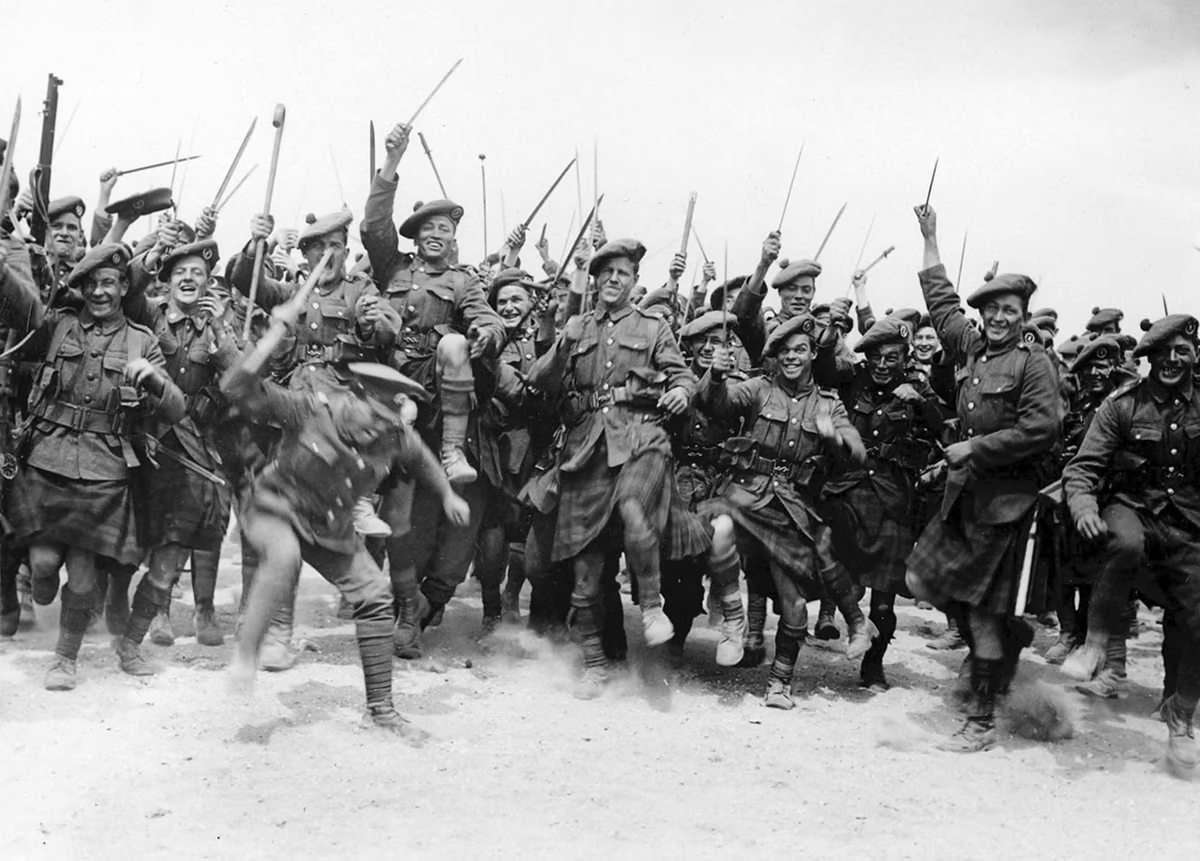
Military uniforms strengthened these standards. As European military dress became more codified in the 17th and 18th centuries, closure orientation and other construction details became part of the visual language of “proper” menswear. Civilian tailoring later absorbed many of these codes, especially in structured coats, formalwear, and suiting.
Protection Against Wind and Weather
The overlap direction also offered protection against the elements. Because most men drew weapons with the right hand and often opened coats with that same motion, the left-over-right arrangement allowed easier access inside the garment without exposing as much of the chest to cold wind.
This mattered in an age before central heating and lightweight synthetic fabrics. Outer garments were expected to perform defensive functions against weather as much as against enemies.
Military Details Still in Your Wardrobe
Several classic tailoring details still carry military influence:
Structured shoulders descend from military uniforms that emphasized authority, posture, symmetry, and physical presence. Padding and roped shoulders created a commanding silhouette, especially within British tailoring traditions.
Double-breasted jackets evolved heavily from naval and military outerwear. The overlapping front provided warmth, wind protection, durability, and structural stability. Today, the double-breasted silhouette still communicates formality and authority.
Surgeon’s cuffs are one of the clearest examples of function becoming luxury. Functioning sleeve buttonholes are traditionally associated with military surgeons who needed to roll up their sleeves quickly during battlefield procedures. Today, they remain a hallmark of bespoke craftsmanship.
Ticket pockets originated from riding and travel garments, giving officers and riders quick access to tickets, notes, documents, or currency while mounted or seated. They later became associated with British country tailoring and Savile Row styling.
Brass buttons on blazers derive from military and naval uniforms, where buttons once indicated regiment, rank, branch, or nationality. They later became part of naval, club, prep, and classic menswear traditions.
Pleated trousers also began as practical garments. Pleats gave soldiers and riders greater mobility through the seat and thigh during marching, riding, and prolonged movement.
Stiff shirt collars were influenced by military dress standards as well. High collars reinforced posture and communicated discipline and uniformity. Detachable collars later became popular because they could be cleaned and starched separately from the shirt body.
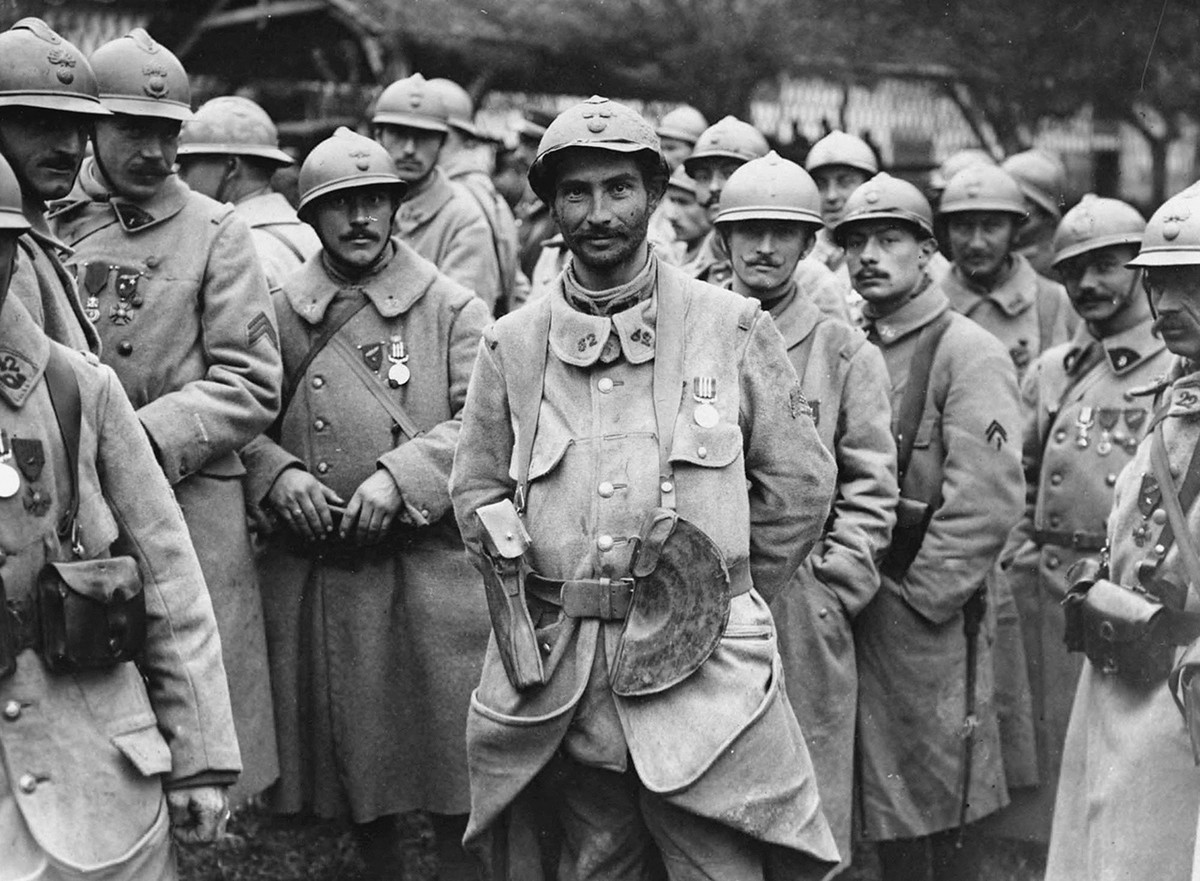
The trench coat shows how even outerwear preserved these military ideas. Developed for British officers during World War I, it included storm flaps, belted waists, epaulettes, gun patches, utility pockets, and weather-resistant fabrics. After the war, returning officers continued wearing them in civilian life, embedding military construction into luxury outerwear.

From Battlefield to Bespoke
For today’s clothiers, these details show how battlefield utility became sartorial tradition. What began as practical solutions for combat, riding, movement, weather protection, and discipline eventually became symbols of elegance, authority, craftsmanship, and masculine sophistication. [2]
Today, that inherited language is being questioned and reimagined, and custom clothing sits right at the center of the conversation.
Previous: Part 1, Why Do Men’s and Women’s Clothes Button Opposite Ways? →
Next in the series: Part 3, The Future of Gendered Clothing →
Sources
[1] Fashion History Timeline (FIT), “Compartment Couture: New York City Department Stores 1850–1930.” https://fashionhistory.fitnyc.edu/compartment-couture/
[2] National Army Museum, “Army fashion statements.” https://www.nam.ac.uk/explore/armys-been-responsible-many-fashion-statements